
When Access to Food Changes, We Remove Barriers
Last fall, we shared an update about SNAP benefits during the federal government shutdown. At the time, our message was simple: while circumstances were changing around us, Every Meal would continue getting food to kids.
Nearly a year later, SNAP is back in the conversation, but for a different reason.
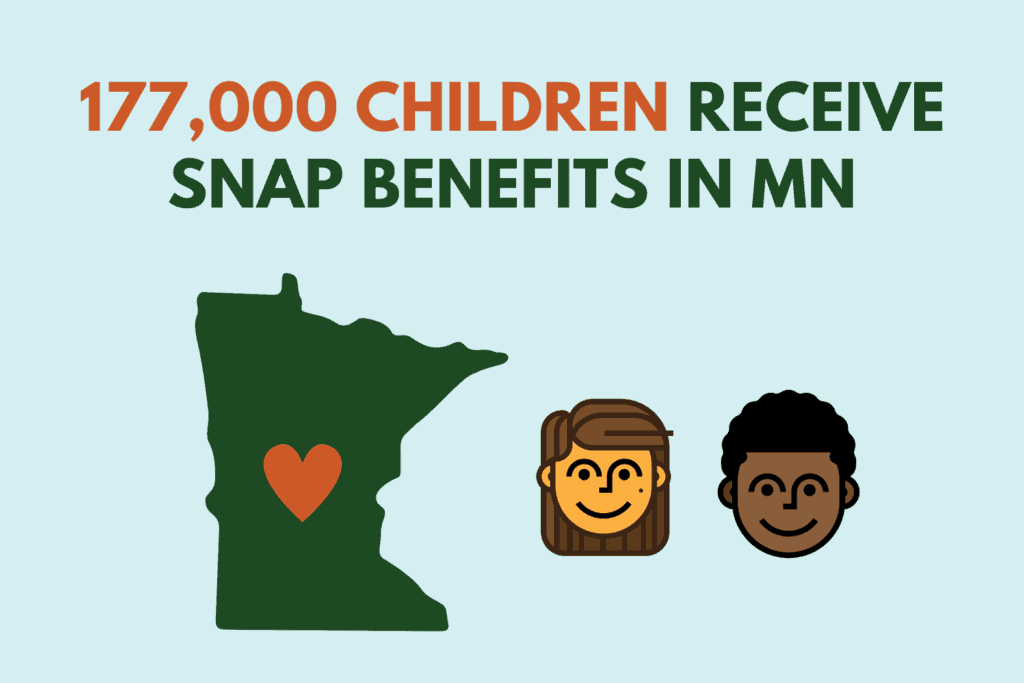
Recent federal changes are reshaping who qualifies for SNAP, what is required to receive benefits and, over time, how far those benefits may stretch. For the 440,000 Minnesotans who receive SNAP in an average month – including approximately 177,000 children – these changes have the potential to make an already complicated challenge even harder.
At Every Meal, we’re watching these changes closely because the changes affect something at the very center of our work:
A family’s ability to access food.
And for more than 15 years, we’ve built Every Meal around a simple belief: when a child needs food, there shouldn’t be barriers.
Hunger doesn’t follow a set of rules
Did you know that the most recent available data shows that 51% of Americans will rely on SNAP at some point before the age of 65?
There is no single reason a family experiences food insecurity. A parent’s hours might get cut. Rent might increase. A car might need an unexpected repair. Grocery prices might stretch a paycheck further than they did before.
The need doesn’t disappear when eligibility changes
SNAP is an incredibly important piece of the hunger-relief system, but it is one piece. School meals are another. Food shelves are another. Community organizations are another.
Every Meal is another.
Each plays a different role, and none can solve child hunger alone. When one part of that network changes, however, pressure can show up elsewhere.
Minnesota’s hunger-relief network is already seeing extraordinary demand. Minnesotans made nearly 9 million visits to food shelves in 2024, marking the fourth consecutive year of record-setting visits.
Now, as SNAP changes take effect, we have to be prepared for the possibility that more families will need other forms of food support.
For Every Meal, being prepared doesn’t mean waiting until a family reaches a crisis point. It means keeping food moving.
The systems may change. Our commitment doesn’t.
We don’t yet know the full effect recent SNAP changes will have on Minnesota families – and we don’t need to pretend that we do.
What we know is that hundreds of thousands of Minnesotans currently rely on SNAP. We know children are among them. We know Minnesota’s hunger-relief system is already experiencing significant demand.
And we know without a doubt: this eligibility change means more kids will need food support.
That’s why removing barriers is such an important part of how Every Meal works.
How to get help:
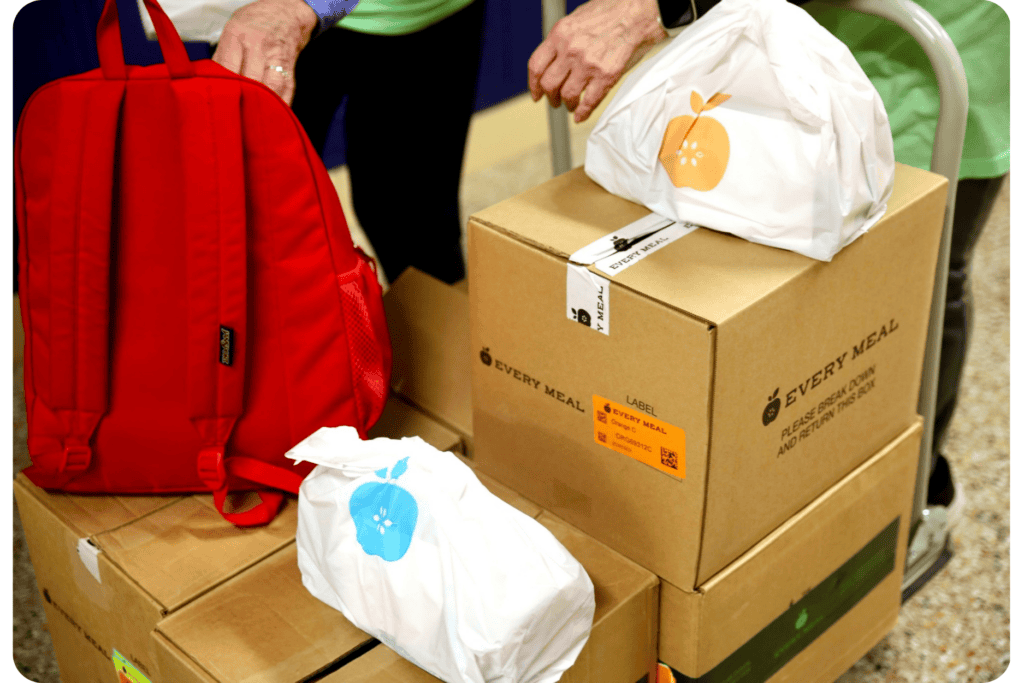
- Every Meal food: If your child attends a Pre-K–8th-grade school in Minnesota, check our interactive map to see if your school offers our Weekend Meal Program. Contact your school or message us for assistance.
- The Food Group: Use their Find Help search tool on their website to find food shelves and meal sites or call their HelpLine at 1-888-711-1151.
- Free Meals for Kids App: Find nearby free meal sites, including hours and directions (available on Apple & Android).
- United Way 211: Call 2-1-1 or text your ZIP code to 898-211 for food support anytime, 24/7.
Info on all this at https://www.everymeal.org/get-support/
How you can help:
Donate: To Every Meal or your local food shelf. We can stretch those dollars further and buy more food than you’d buy at a grocery store.
Volunteer: at Every Meal packing food bags, building orders, cleaning the warehouse, and more. Or volunteer at your local food shelf, which is likely getting an influx of visitors.
As Minnesota’s food-support landscape continues to change, we’ll continue working alongside our community to make sure children aren’t lost in the gaps.
Sources & Further Reading
Minnesota Department of Children, Youth, and Families — Why SNAP Matters for Minnesota
Current Minnesota SNAP participation information, including the number of Minnesotans and children receiving SNAP.
Minnesota Department of Children, Youth, and Families — Federal SNAP Provisions in the 2025 Reconciliation Bill: Impacts on Minnesota
Information about changes to work requirements, eligibility and future SNAP benefit calculations and their projected effects in Minnesota.
Minnesota Department of Children, Youth, and Families — Cuts to SNAP Hurt Minnesotans
Minnesota-specific information about SNAP and food shelf demand.
National Library of Medicine – Likelihood of using food stamps during the adulthood years